Overview
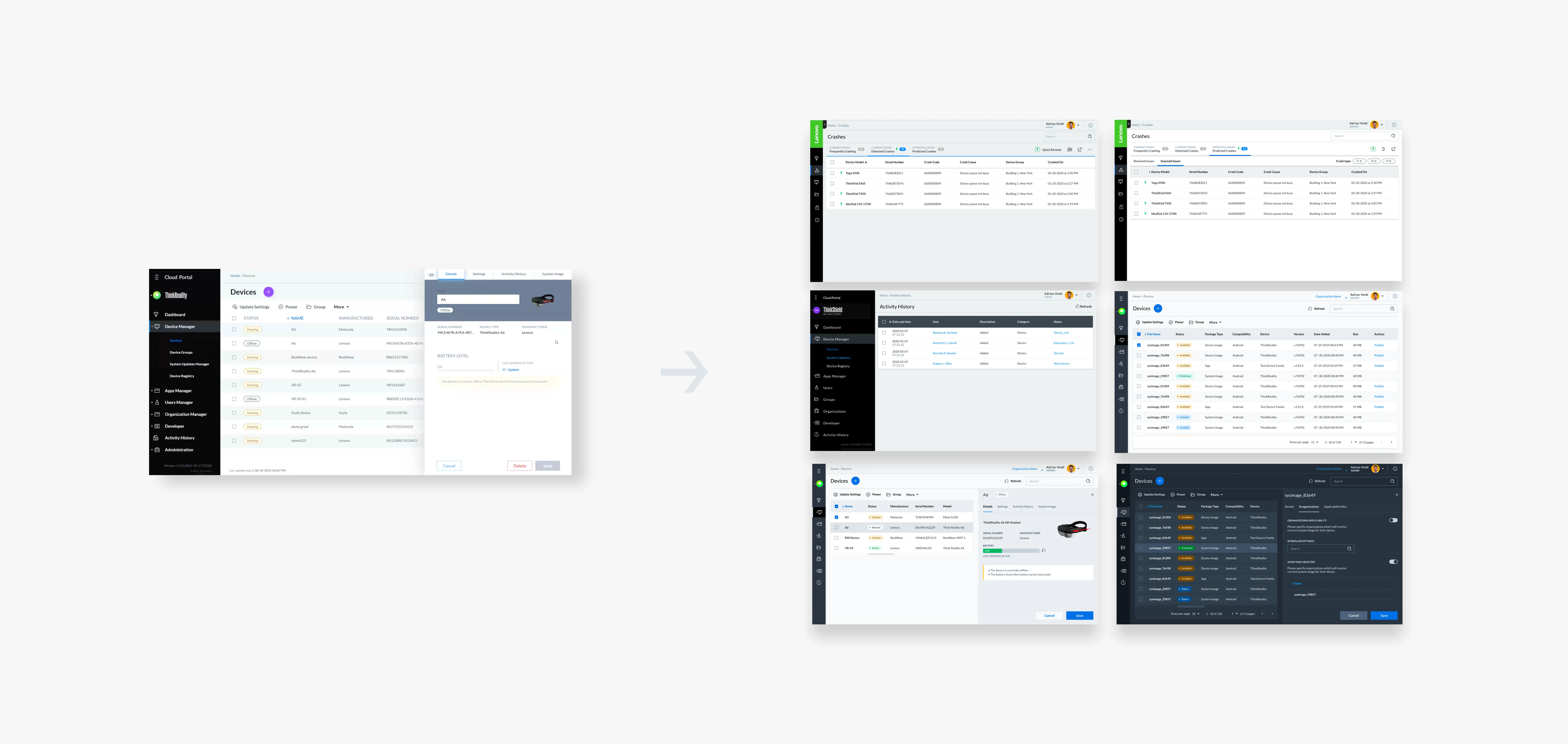
Lenovo's cloud platforms grew and diversified independently, with individual teams editing the same codebase. This led to an inconsistent user experience and mismatched components.
Context
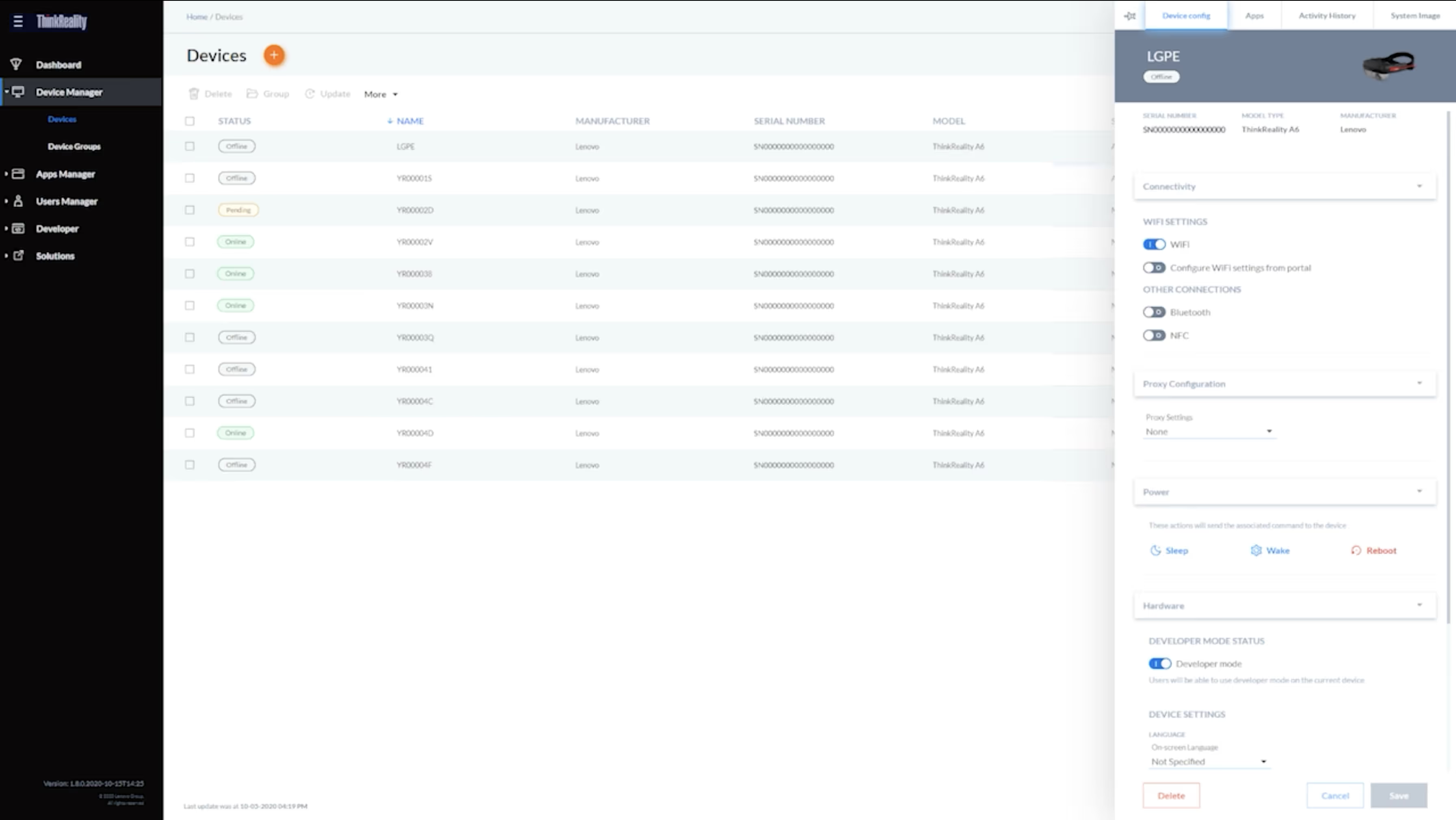
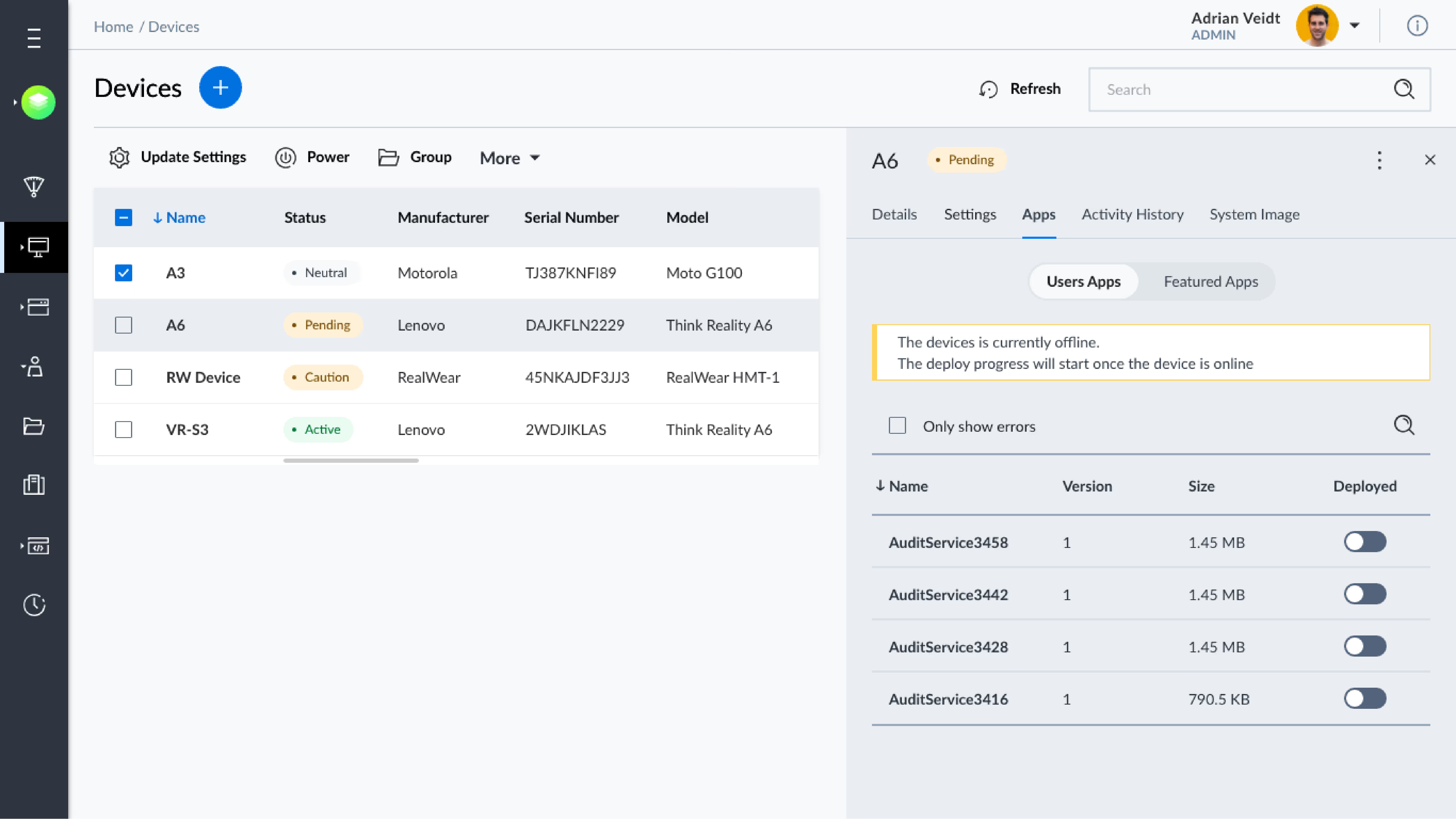
Lenovo has a series of enterprise cloud portals with various functionalities. One such example is the ThinkReality Cloud Portal. While they all serve similar purposes in different contexts, each has its own specificities.
The design team consisted of four designers who collaborated with each platform's design team as needed. Additionally, there was a dedicated engineering team for the Design System, and they worked closely with the engineering teams of each platform to better integrate them.
Goals
- Create cohesion between all cloud solution
- Reduce workload on designers and developers
- Create consistency between solutions’ flows
Challenges
- Siloed teams working on different approaches to the same problems
- Single codebase being altered by multiple teams
- Inconsistent experience inside each solution and across them
Project
Creation of design system from both design andcodef perspectives. Allowing teams to work independently without compromising consistency,
What it is
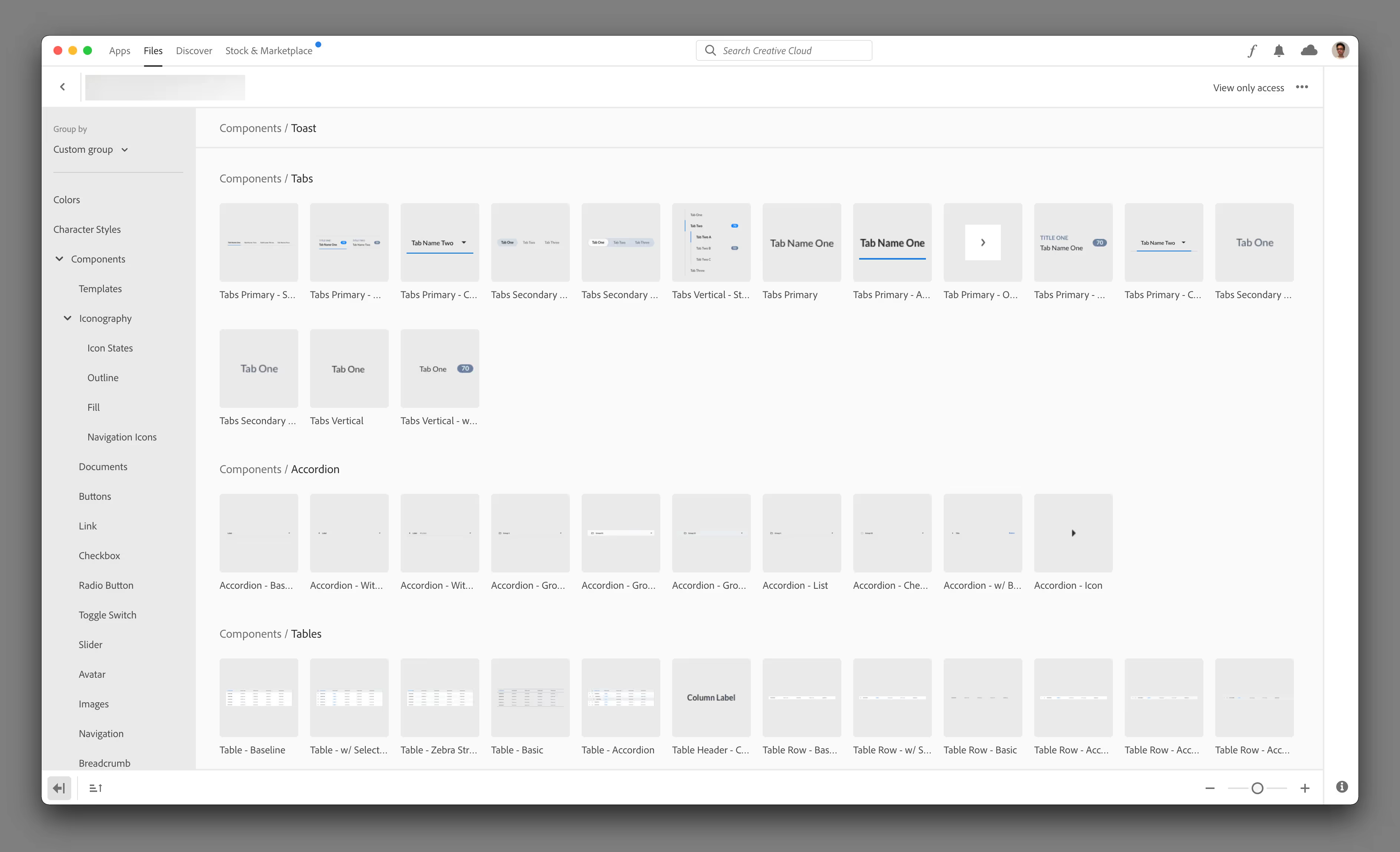
Many components were redesigns of previously existing components used across multiple solutions. Designers aimed to identify use cases and establish cohesion and alignment to meet the needs of various Lenovo solutions.
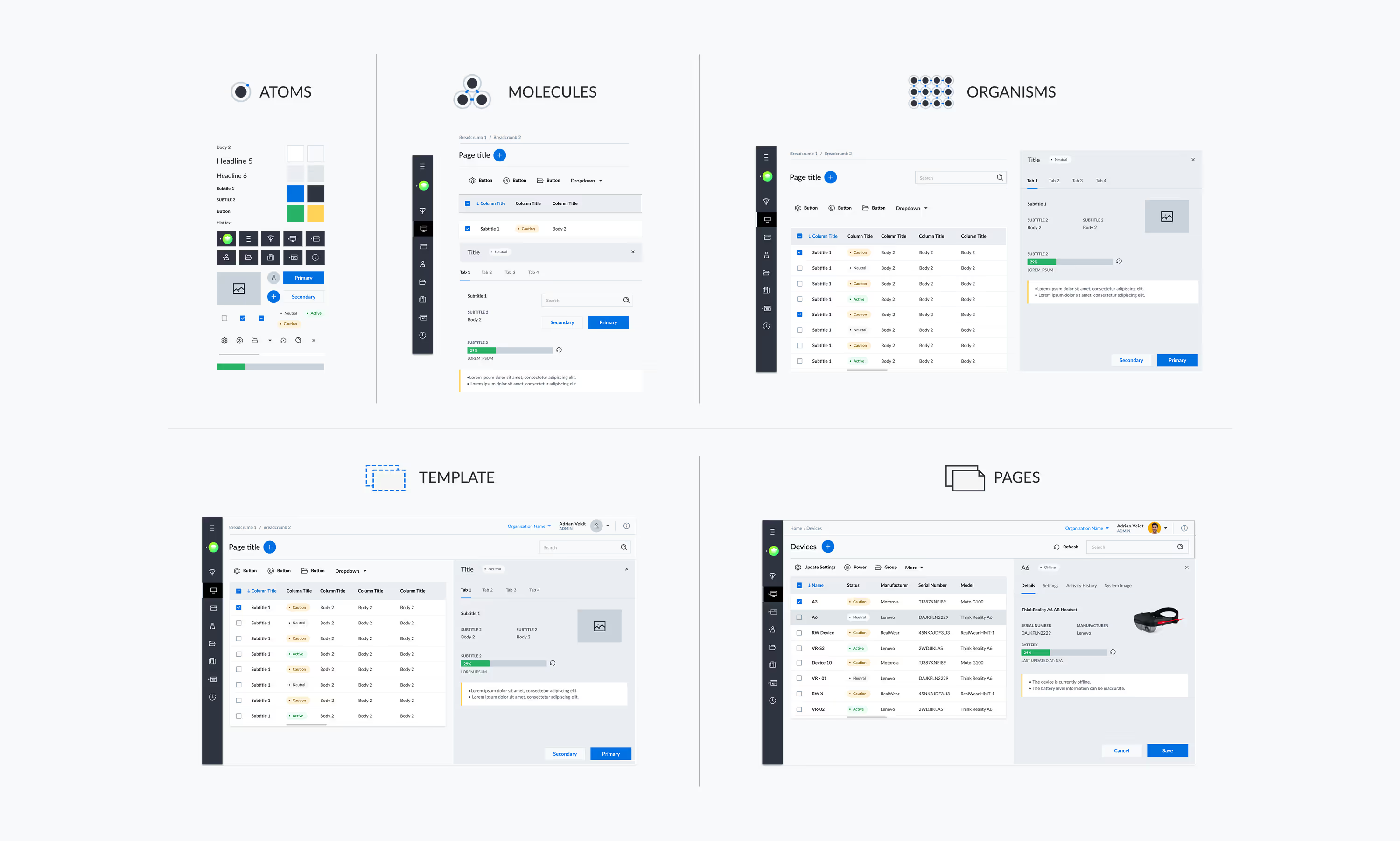
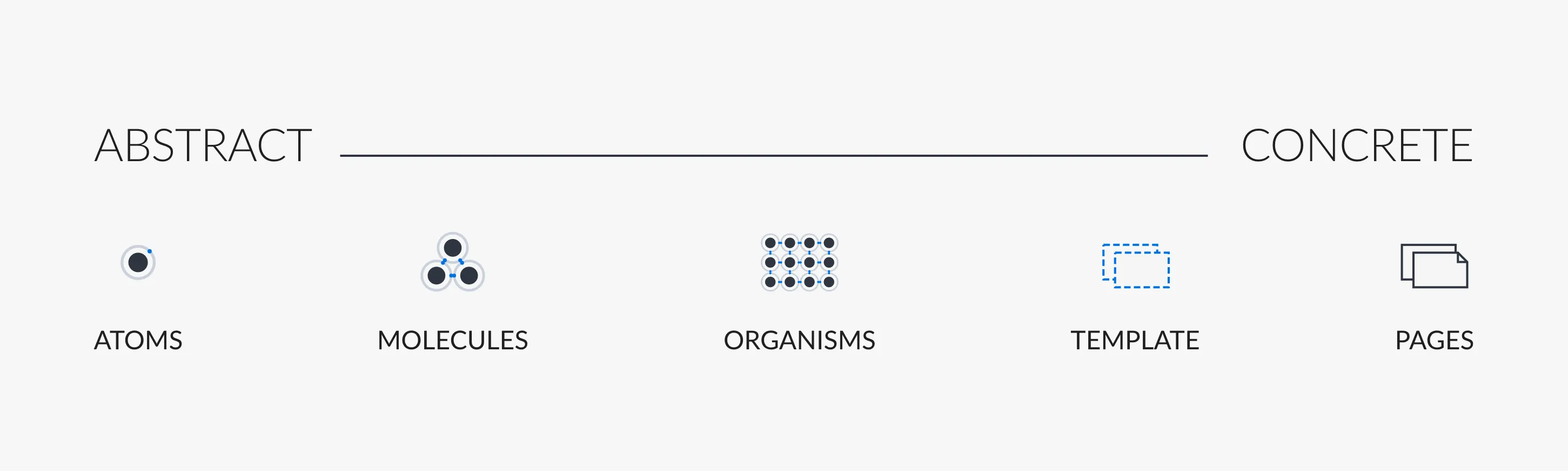
The project followed the atomic design approach. Based on the atom, molecule, organism analogy. The smallest parts of the system are considered atom, elementary parts of the wider system, making use of these atoms is possible to build more complex molecules which can be used to build organisms, templates and pages.
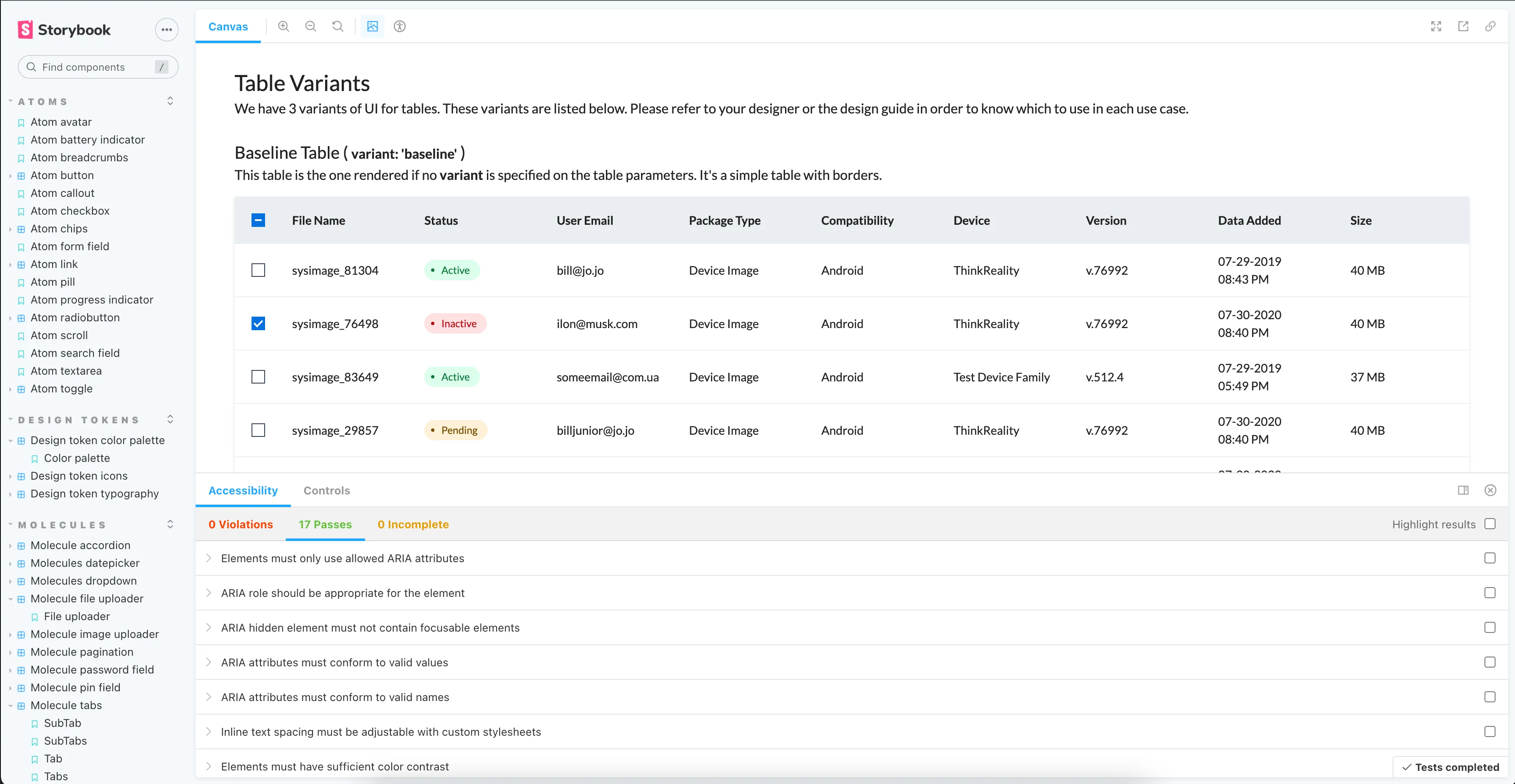
Implementation of a shared library allowing teams to have their own deploy schedule and maintaining consistency across platforms.
Process
How the team worked
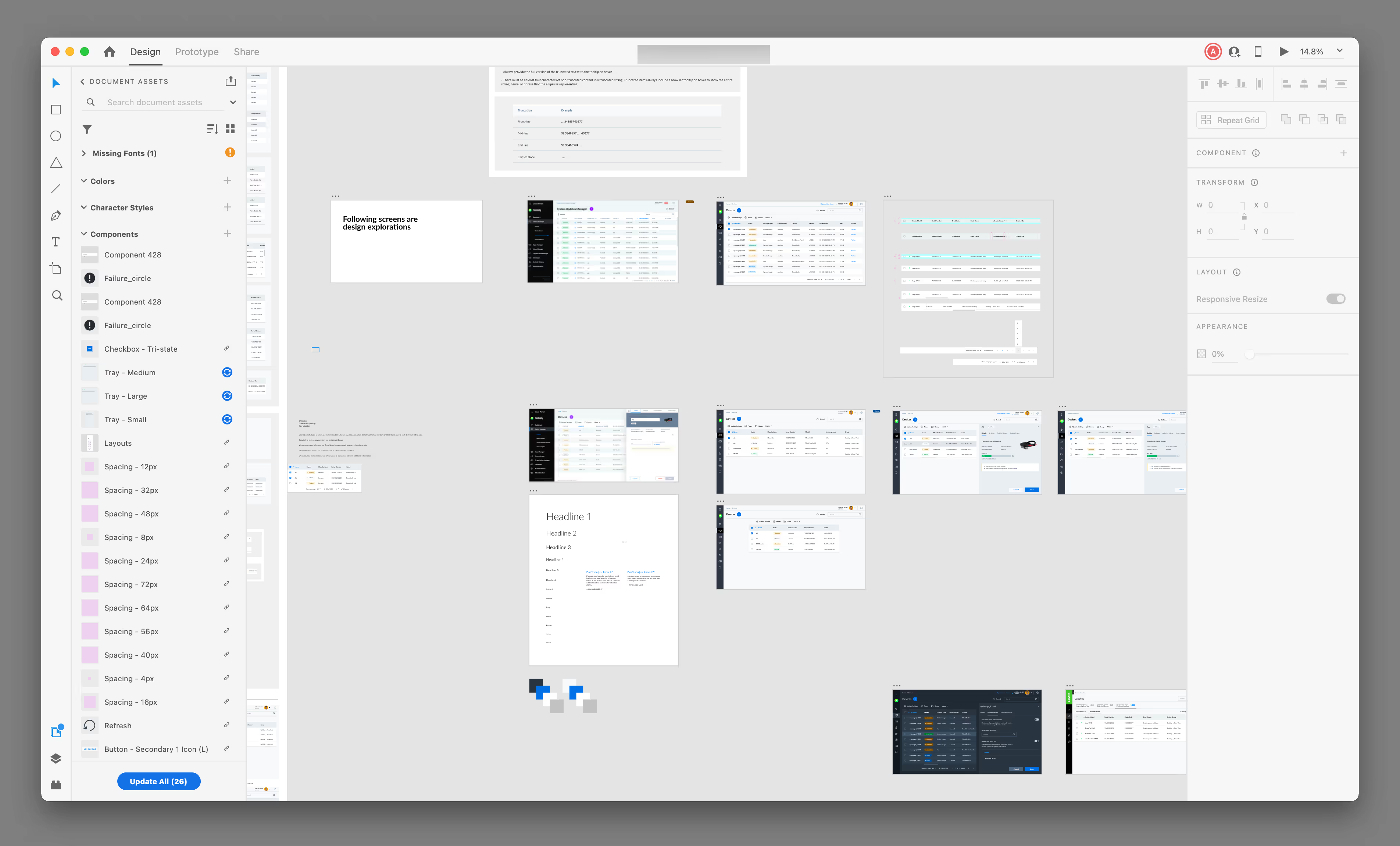
Each designer was assigned a specific set of components to work on individually. They were responsible for maintaining communication with developers throughout the process regarding the components they were working on.
Collaboration occurred daily during working sessions involving all the designers. During these sessions, designers would present the work completed the previous day and provide feedback to one another. Discussions regarding the best approach, use cases, and concerns would take place during these sessions.
After finalizing a component, a design review session would take place where the design and development teams could discuss the final version of the design. This served as a team moment, in contrast to the one-on-one meetings that occurred during the component's design process.
Throughout the design process, designers and developers maintained communication to discuss requirements while the component was being designed. This communication occurred through chat and meetings and continued even after components were finalized when new concerns or use cases arose.
Results
Designs


.svg)